
Surviving an Eating Disorder and What Herbalism Taught Me: Part 2
The Perfect Storm
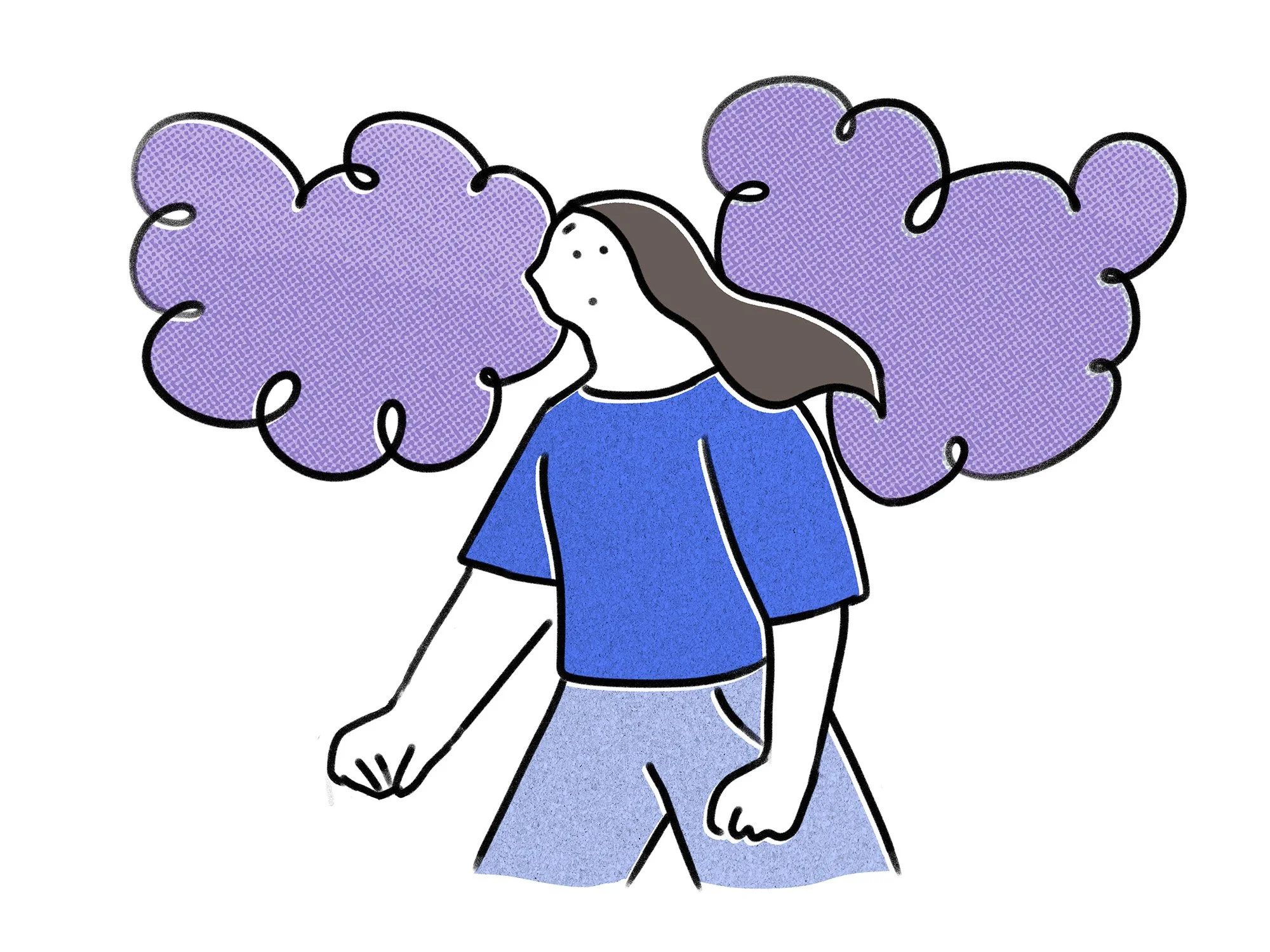
Over the long term, these early experiences had deep imprints on my psyche and manifested in a trauma response of perfectionism. At first, it worked—and it was easy. In elementary school, I realized that if my grades were perfect, and I was amicable and diplomatic, no one could really find an excuse to mess with me. I liked school work so that was no problem, and I learned to use charm as a weapon, gaining people’s trust and disarming them, so they wouldn’t come for me.
But gradually, long before I realized what was happening, this tactic started to affect me. I increasingly felt more distance with the friends I had and with the people in my life in general, but I didn’t understand why. Then I moved up to middle and high school, which was in Osaka; a two-hour commute each way from our home in Kyoto. The school itself was incredible, and I was so privileged to be in a more diverse environment receiving a pretty well-rounded education—but the trauma imprint had already been made.
By this time, my sense of self-worth leaned almost entirely on perfectionism and performance. But with such a demanding schedule, it was getting harder to keep up, physically and emotionally. Things at home were also becoming more difficult. My siblings had left for college, and I felt more isolated during a period of major transition.
Of course, puberty was also hitting me at the same time, adding to the precariousness of my situation. My weight and figure were quickly added to the long list of things that needed meticulous management. Unfortunately, a girl’s body is considered fair game for commentary in much of our world today, but it is especially so in Japan, where diet culture runs deep and thinness is idealized, to the point that it is seen as almost a virtue. As my circadian rhythm became disrupted by the long commute—affecting my hormones and endocrine system—I gained some weight for the first time in my life. And people noticed.
I couldn’t tolerate that, because at the time I was also fully indoctrinated into the myth that thinner was always better. Thus the stage was set; it was the perfect storm for me to fall into an eating disorder.
Classically, it started with repeated periods of “dieting,” which at the time seemed harmless. Keeping your weight down and maintaining a “good figure” seemed like it was supposed to be an ordinary part of a teenage girl’s daily life. If I went back in time and relived a day, I doubt I could even count how many times it would come up: in the bathroom, talking about how our clothes fit; at lunch, choosing the cafeteria meal with the fewest calories; after school, worrying that whatever snack we were eating would make us “fat.” Every teen magazine offered tips for losing weight. Ads everywhere reminded us that gaining weight was unacceptable. Women on TV endured offensive comments and jokes about their bodies—or made them themselves—every day. We were immersed in impossible beauty standards while our bodies and minds were changing and growing rapidly.
Today, after a long and winding journey with my own body, I see all bodies as beautiful, complex, and deserving of respect, love, and nourishment—including my own. Each body is a whole human, carrying entire universes we may not know anything about. We should hold each body, each person, in awe. Knowing that now only makes it more striking how deeply I internalized that constant pressure back then—and how much of that pressure still persists in our societies today. This is another reason I choose to share, in the hopes of shifting these narratives in any way possible.
12 Years of Hunger
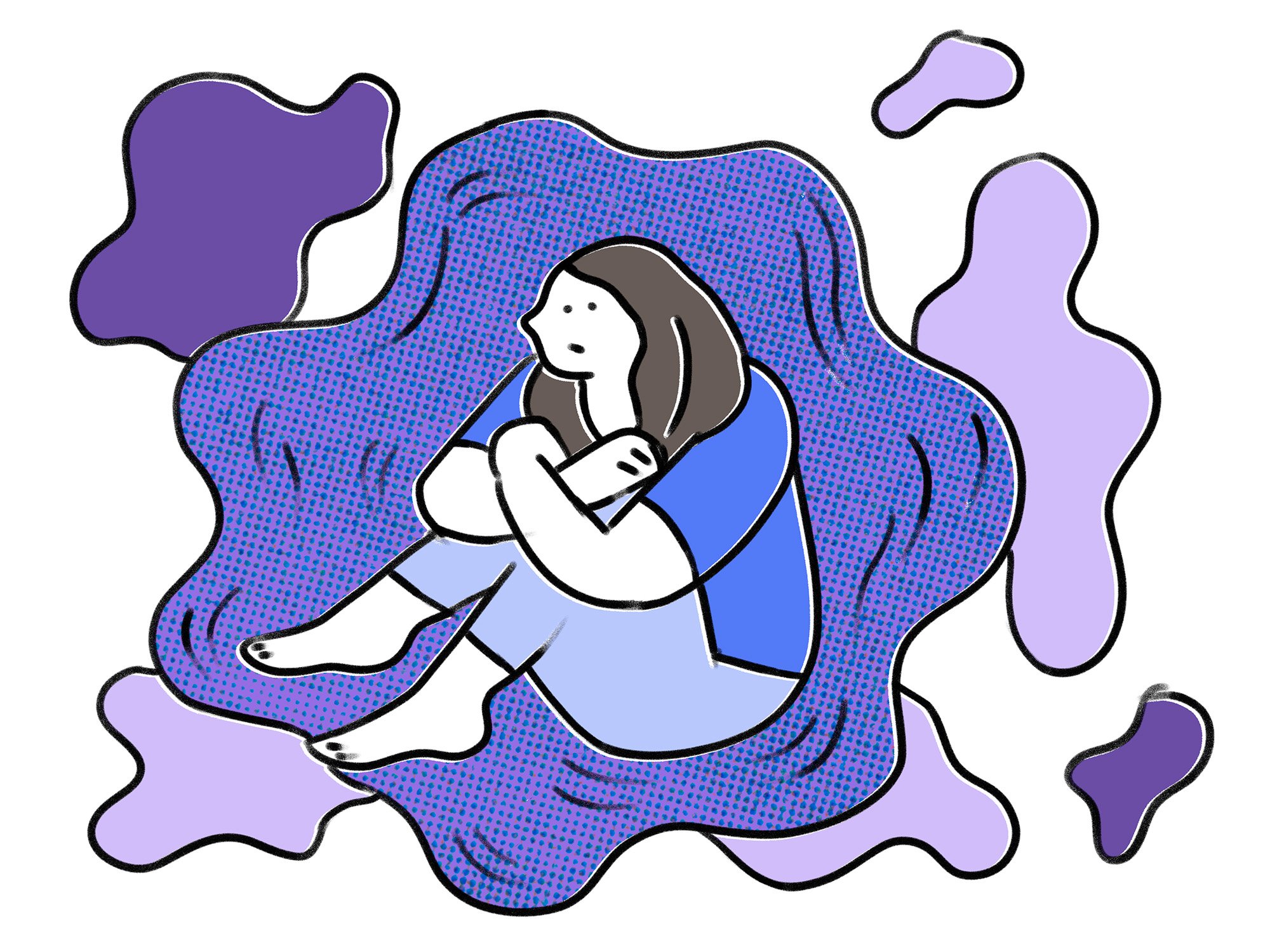
At first, I had easy success with dieting, since I was an active kid, and because of my fire-y (or pitta, in Ayurvedic terms) constitution. But the weight always came back, and the cycle would repeat itself. Over time, it spiraled out of control into patterns of binging and restricting—and once I discovered I could purge what I regretted eating, it solidified into a severe cycle of binging and purging; what’s known as the eating-disorder subtype, bulimia nervosa. By then, the guilt and shame I associated with eating was so strong that I no longer had the ability to eat full meals on my own.
Through the last few years of high school and throughout college, I barely ate anything during the day. I kept to a short list of “acceptable” foods to string me through, and I only ate real meals when I was with other people and had no choice. If I was alone, I either avoided eating altogether for fear of losing control, or I would purposefully gorge myself because the calls of my starving body were so unbearable—only to purge it all later. As a result, it was rare that I ever ate enough, or kept food down.
To someone who isn’t familiar with the psychological distortions that come with trauma responses like eating disorders, it may sound unbelievable—but a person in the acute stages truly believes that eating is not safe. Severe fear and anxiety distorts reality, linking an internalized belief that “being yourself is not safe” with the natural urges of hunger.
This suppression extends to other types of nourishment, such as relationships, pleasurable activities—and even boundary-setting and self-advocacy—often perpetuating the problematic dynamics in our environment that set the conditions for a coping mechanism like an eating disorder to arise in the first place.
I carried on this way from age 17 all the way through 29. It was a dark, lonely, and desperate chapter of my life; a period of surviving, not living. I couldn’t control the cycles of binging and purging, no matter how many times I tried—and each failed attempt only ingrained deeper the belief that I was damaged forever, flawed beyond repair, a hopeless mess—isolating me even further in my secret. How could I possibly tell anyone what I was carrying, when I was presenting a completely different story on the outside?
Today, I share it openly because I came back from it, and because I want to say to anyone going through the same thing, that you’re not alone. And I know that if I could come back from that place, anyone can. We just need safe and loving people, the right tools, and reliable structures of support—and perhaps the hardest of all, grace with ourselves. In my case, it went on so long because I was so good at hiding my secret that it was locked in too tightly for anyone to intervene—because they didn’t know. I later learned that I had, and still navigate, high‑functioning complex PTSD, which can be incredibly difficult to detect from the outside. That’s the nature of it: to never show any signs of weakness, at least not in the ways you believe are unacceptable.
The point is, eating disorders can go on for decades—unnoticed and undiagnosed—because they are often paired with hyper vigilance and perfectionistic tendencies. But in my mid-twenties, when I was more or less resigned to the way my life was going, two miracles shifted my core beliefs and moved me toward healing. The first was the profound experience of witnessing my dad heal and become wholethrough the process of passing on to the next realm—a rare blessing I don’t take for granted. The second was the birth of my daughter, at a time when I believed my body was broken beyond repair. These two events happened back‑to‑back, almost like a one‑two punch, giving me the strength and conviction to face myself and choose life.