
Surviving an Eating Disorder and What Herbalism Taught Me: Part 3
Choosing Life
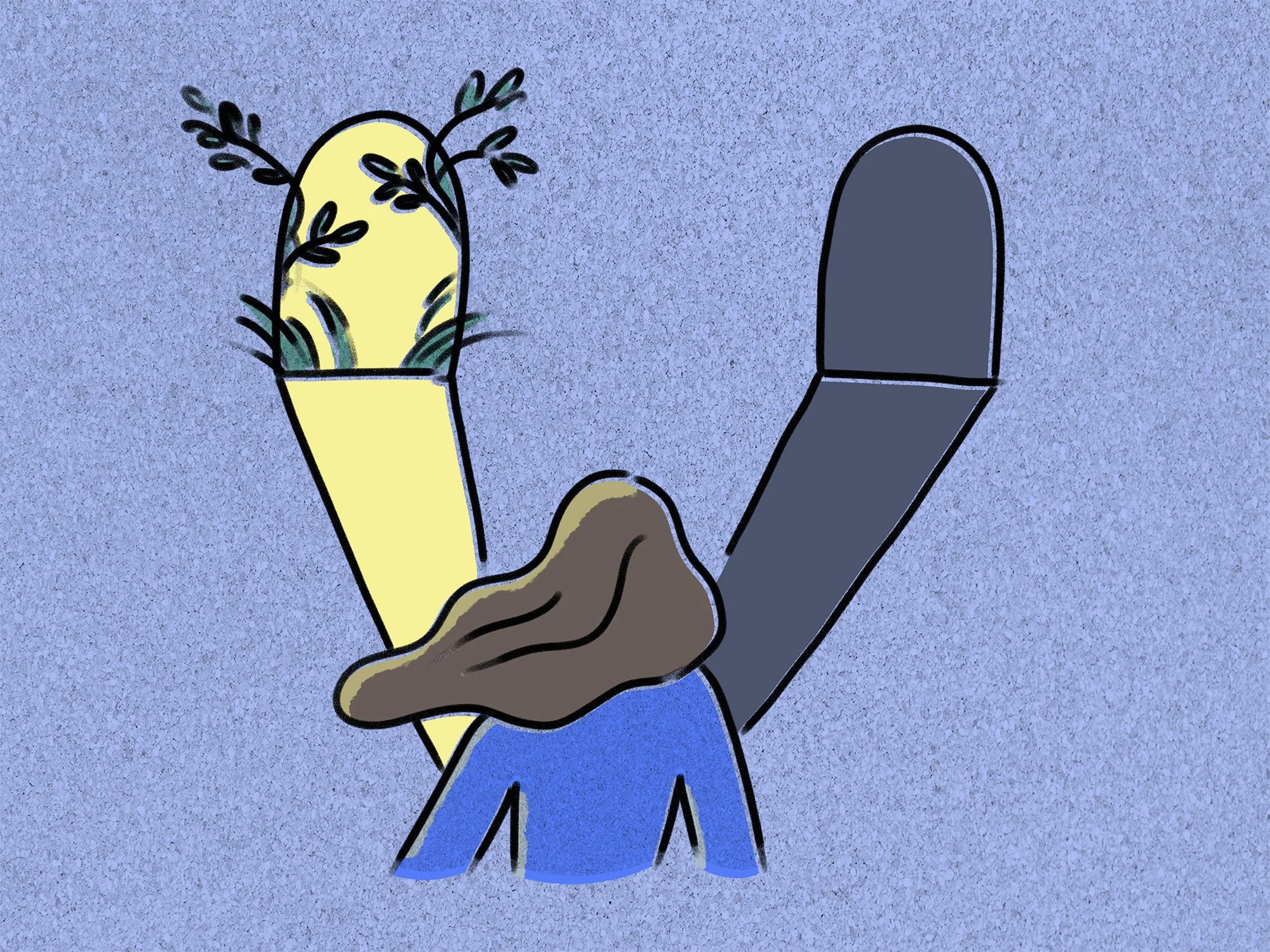
It took me a year after becoming a mom to gather the courage, but I eventually realized that if I wanted a proper shot at being a good mother, and provide the security and unconditional love I desperately wanted for my daughter, I had to face myself. I was living in constant fear of completely falling apart, or dying, and I knew these were inevitable outcomes if I kept going the way I had been. And for what, exactly—? I was being given a chance—and if I was going to turn things around, now was the time.
I started looking into recovery programs, but many were in‑patient treatment plans—which was out of the question with a one‑year‑old at home. I had also heard and read my share of horror stories about eating disorder treatment facilities, so I knew I’d likely have to pay a premium for the level of care that would allow me to feel comfortable. Eventually, I found an outpatient group program in Manhattan at Balance Eating Disorder Treatment Center, which met three nights a week for a minimum of six weeks.
It was very expensive, which is another barrier that keeps many people with eating disorders from accessing care—but I was incredibly lucky to have some money come in just as I was weighing my options. After my dad passed, my mom decided to move and sold the childhood home we grew up in. A portion of the proceeds was divided among my siblings and I. The money I received happened to be almost exactly what it cost to sign up for the six-week program—just under $10,000. I took it as a sign that my father’s spirit was supporting my decision and giving me a little assist. So I went ahead and enrolled in the program.
Talking about myself and my experiences in a group setting was hard—but it was also profoundly healing. The women I was in the program with were beautiful, smart, and incredibly perceptive, each coming from different backgrounds but having struggled with the same thing. I couldn’t believe I wasn’t alone. It began to dawn on me that a big part of the cause lay in the flawed systems we are part of—a realization that floored me.
During those six weeks, I followed instructions to the T, partly because I knew I couldn’t afford to be in the program for longer than the six week minimum, and partly because I knew with my whole body that this coping mechanism was absolutely unsustainable.
It doesn’t mean I didn’t have the slip-ups or struggles that come with recovery work of this kind. And I still have to navigate some of the residual negative thought patterns lodged in my brain grooves and my nervous system—though they’re nothing like they once were. But I was able to commit because I had a clear conviction. Witnessing my dad’s peaceful passing taught me about death in a way that illuminated life. And the subsequent birth of my daughter taught me that I was never truly in isolation. I was now certain that, as I had once known as a child, there was much more to life than the mechanical, linear models of thinking and relating I had been taught growing up. The world is far more alive, interconnected, and magical than we are made to believe. Part of why I wanted to recover so badly was because I wanted to experience that side of life, that way of living I was starting to glimpse. And I already had an inkling that studying plants would help me move in that direction.
Finding the Plants
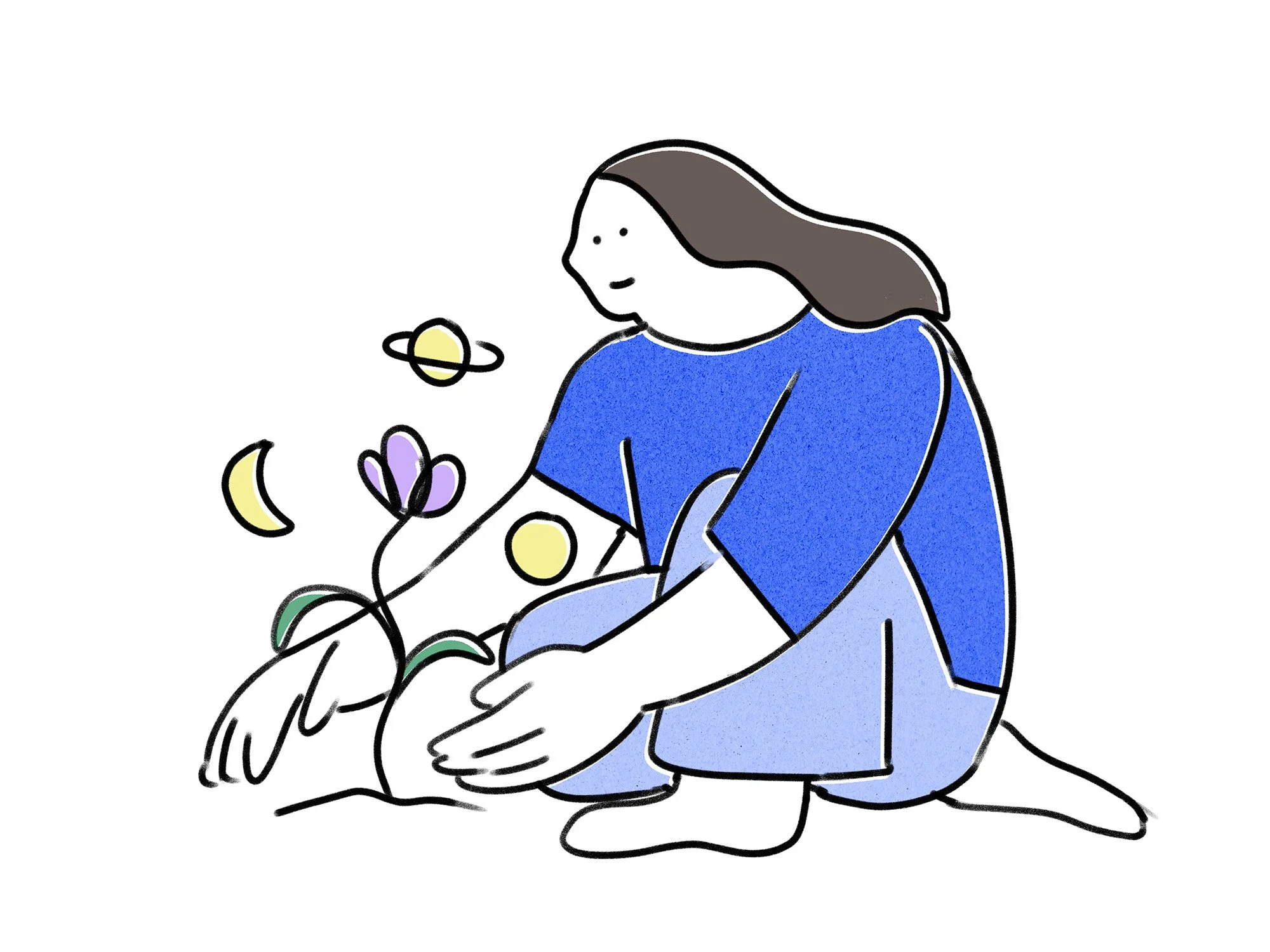
I knew that studying herbalism was going to be a concrete step towards a more whole and purposeful way of living—and that seed had actually been planted many years earlier. I had attended a seasonal healing circle with my sister, led by a holistic healing practitioner she liked. It was a sweet experience, where herbs were mentioned, as well as the Arbor Vitae School of Traditional Herbalism, which at the time was based in the city. I didn’t know why, but the moment I heard the school’s name, I knew I would end up studying there one day. So having those goals ahead of me, and having my daughter, kept me anchored and committed to the out-patient recovery program throughout those six weeks.
It was a huge first step that gave me the practical relearning experiences and tools to begin reclaiming my relationship with food and eating. It also helped that I went in knowing there would be much deeper work ahead, which for me meant exploring holistic modalities like energy work, herbalism, and mindfulness practices. This awareness made it easier to follow along, because I understood that the recovery program’s tools weren’t the end-all, be-all. I share this because it’s often very difficult for someone starting recovery to surrender autonomy and trust the process—the hypervigilance kicks in, and it’s not easy to accept what might feel like a one-size-fits-all protocol. In reality, these programs are designed to be a chapter in the healing journey. Each path is different, and each person has to find what works for them.
The first step, though, is getting out of that acute state and restoring the natural responses to hunger. A good eating disorder recovery program equips patients with practical tools to achieve that. They may not be perfect, and they may not be all the tools you need—but they are dependable tools you can keep in your toolbox, alongside whatever new tools you might discover along the way. When the program ended, I was no longer purging, was able to eat three meals a day with snacks in between, and could listen to my hunger and fullness cues—all things I never, ever believed I could do again. The body is wise, and it wants to heal. I established a steady, natural rhythm during that time, and I have maintained it ever since.
Before I left the program, I secured a nutritionist, therapist, and weekly group therapy in my neighborhood that I could continue working with as I integrated what I’d learned from the recovery program into daily life. What I didn’t expect was that all the parts of me that had been suppressed for years—including any inconvenient truths that could potentially threaten the way my life was currently set up—would come pouring out to the surface at full force. Much of this energy was channeled toward preparing for my herbal education, which I hoped would provide answers I had been seeking for most of my life. Some of it shifted dynamics with friends and family.
But the most destabilizing realization was that I was in a marriage that was not sustainable. The following spring, COVID hit, bringing everything into even sharper focus, and I knew I had to leave the relationship. It was devastating, especially with a small child who was not even two at the time. But after what I had been through—making myself small for decades—I wanted my daughter to grow up knowing that we are allowed to choose ourselves. That radical self-love isn’t a convenient self-help trick, but a truth we’re meant to learn to embody in this life.
So I left, and lost many things in the process, but I was forging a new community within my school, as well as with the plants—and all the wisdom they brought me collectively kept me going. I was discovering a whole new world.
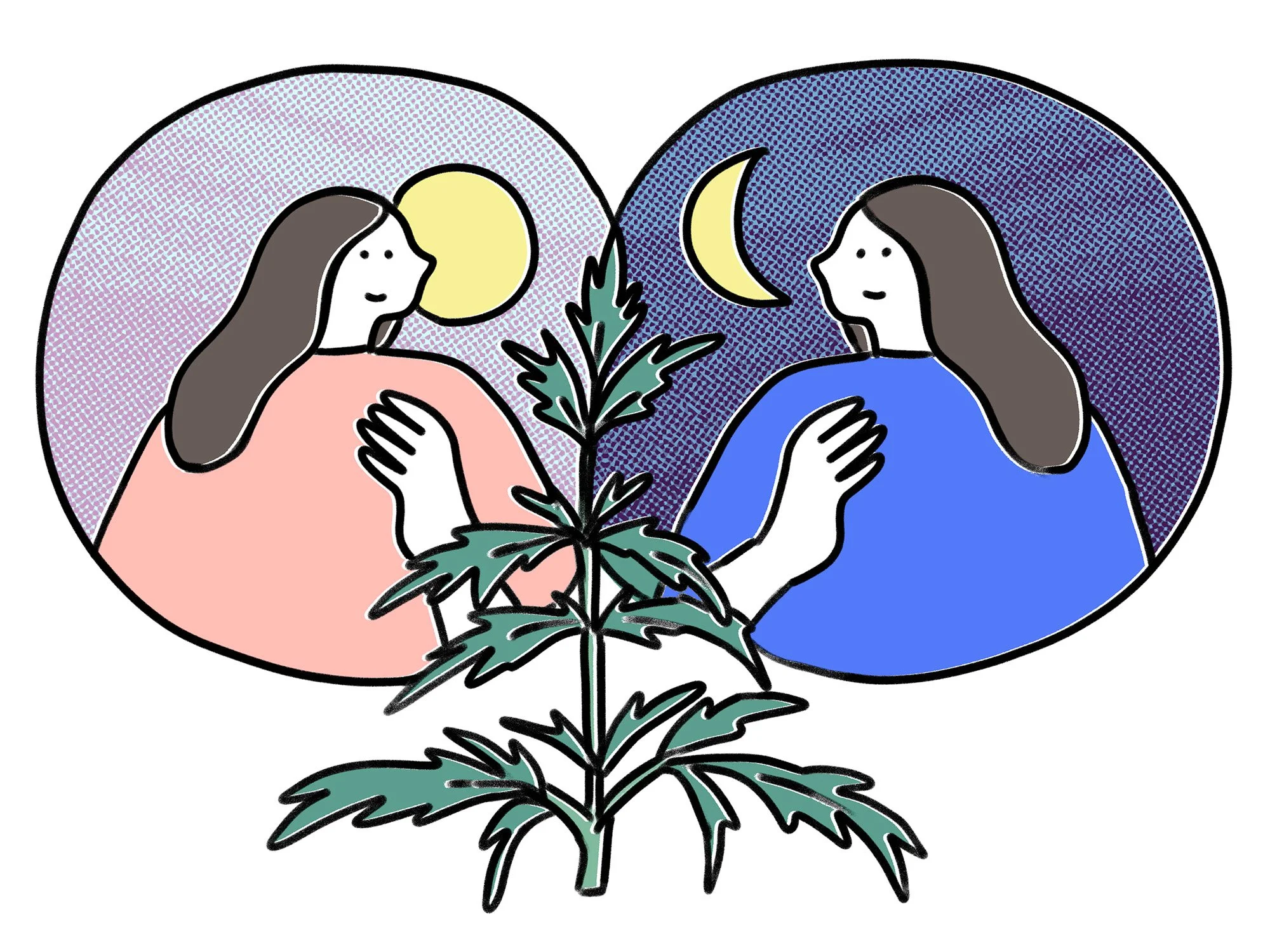
A world that had incredible gifts to offer—starting with a breadth of gentle, supportive ways to maintain and further improve my relationship with my body, my mind, emotions, spirit, and food. I learned that emotions are energies, and certain energies tend to gravitate toward specific organ systems, locations, and channels within the body. I began to reinterpret my life’s story through the map of the body and the emotional undercurrents that manifested in different ways. Traditional medicine represents thousands of years of lived information about the body in relation to the living world, organized into systems, and it is alive with the deep intricacies present in our real, 4-D lives—and my mind was being blasted open by all of it.
Most importantly, it taught me that I am not an isolated cog in a machine, but a living part in the vast web of nature. We’re constantly being taught to be at war with our bodies, but the real struggle is in containing and repressing the wilderness that lives within each of us—because, duh, we are meant to be part of it! The human body does not exist in isolation; it developed alongside the ecosystems and beings around us on this earth—the forests, mountains, animals, birds, bugs, rivers, trees, herbs, flowers, fruits, and microorganisms. Plants are whole beings, and we are whole beings—which is why plants are such profound allies for our health. Our very design was created alongside them. We are meant to be in relationship with them, and we respond to them.
I’ve come to believe that on a fundamental level, much of the dysregulations and distortions we experience collectively today—whether physical, mental, emotional, or spiritual—stems from losing the relationships we evolved with and belong to. Studying and being with plants every day during that time not only gave me the cognitive insight into this truth, but allowed me experiential remembrance of it, through taste, touch, sight, smell, sensation, and feeling.
And incredibly, every single herb had something new to teach me about myself. A new way to understand my experiences and my story. A framework where curiosity is safe and encouraged, where individuality and diversity aren’t just tolerated, but celebrated and cherished. A modality that is non-linear and multi-dimensional. Context for the core issues I struggled with and a sense of belonging to something much bigger.
It wasn’t until a little later that I understood that herbalism—when studied and practiced from the heart—is a powerful way to decolonize the self, mind and body alike. I‘ve been blessed to learn from wise and generous teachers who recognize and dedicate themselves to that important work. I believe this was exactly what I needed on those deeper levels to truly emerge from the eating disorder chapter of my life. At first, I couldn’t believe how little of this wisdom I had been exposed to growing up, but it made complete sense once the colonial histories that shaped our world and the educational systems we inherit came into clearer focus for me. Healing and decolonizing the self is an unending journey, but herbalism brought me back to my heart.
Like I mentioned in the beginning, herbalism is a long path of learning. I’m continuing my studies and practicing very slowly at the moment, but rather than waiting until I “know everything”—which, in all honesty will be a thousand lifetimes from now—I wanted to start sharing my experiences and learnings in a more public context, sooner rather than later.
There’s so much more I want to share about eating disorders, including gentle herbal remedies that can support the various phases of recovery—and I’m so excited to finally be able to start doing that.
If you’ve made it to the end, thank you! Please go pour yourself a glass of water because that was a pretty long story. I hope it sparks your curiosity though, to explore the world of plants, maybe try some new herbal teas, or even work with an herbalist.