
Surviving an Eating Disorder and What Herbalism Taught Me: Part 1
When I was learning from my teachers in school, and even now whenever I take classes or listen to interviews with herbalists, I always love hearing their stories about what brought them to work with plants. It’s not a super common path afterall (I don’t ever remember hearing about it growing up), nor is it particularly known for being lucrative or easy. It’s complex, multifaceted, and labor-intensive—a lifelong labor of love. So hearing their stories inspires me and keeps me tethered to what motivates me, too.
I didn’t discover the world of plant medicine until my late 20’s, but I wanted to write about it because it’s central to who I am today, why I study herbs, and why I created this space. Herbalism came to me when I was recovering from an acute eating disorder I struggled with for twelve years, and it was instrumental to my healing. Studying herbs changed my life; my outlook, my relationship with my body, and my sense of self. I often wish I’d met an herbalist or some kind of holistic practitioner during my most desperate moments. And as our relationships with our food and bodies continue to be shaped by the pressures of the modern world, I know there are so many people who could benefit from a holistic approach today as well.
Here’s a little (or not so little) story that follows the arc of this health journey. It’s very long, so I’ve broken it down into several posts, to make it a little more digestible. I hope it helps demonstrate how an eating disorder takes shape, what recovery requires, and how having a holistic framework can be incredibly healing.
*Note: The following sections contain descriptions of eating disorder symptoms and experiences, which may be disturbing or activating for some readers. Please proceed with care and discretion.
Early Imprints
I grew up in a quiet residential part of Kyoto prefecture, as a biracial kid with a white American dad and a Japanese mom. I was the youngest of three, probably with the most Caucasian looks: brown curly hair, paler skin, slightly more Western features.
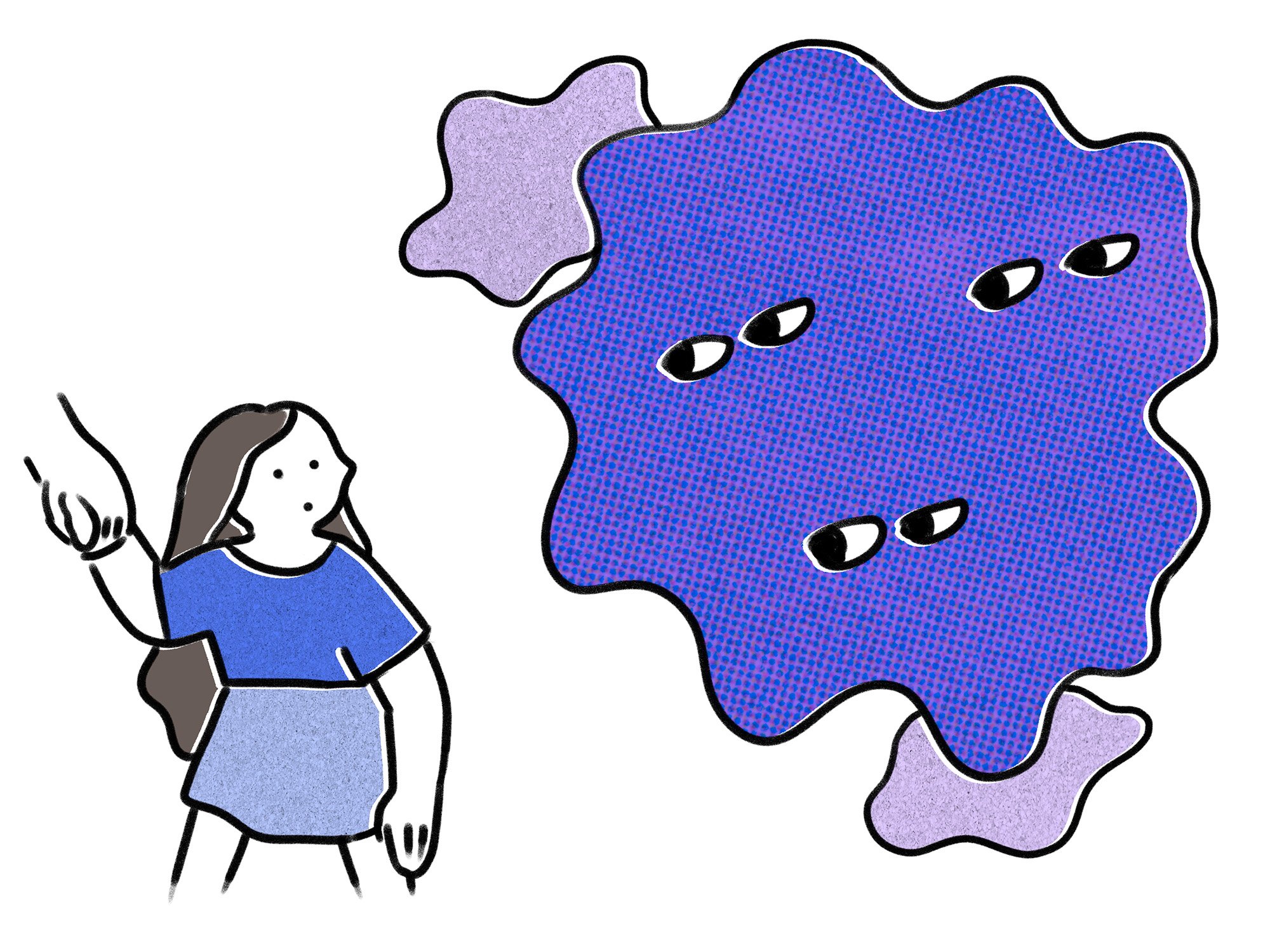
We didn’t live in a central or urban area, and at the time we were the only visibly foreign family in the neighborhood. For as long as I can remember, I drew attention and stares everywhere I went. By the time I became aware of myself, I had already internalized the sense that I was different, and seen as an outsider—despite being born and raised in Japan and identifying deeply with its culture and people.
At home, there was also a layer of instability that made me feel unsafe and anxious. My Dad carried deep, unresolved trauma, and some of his behaviors created a tense environment. Growing up with these influences had a big impact on my early sense of safety, belonging, and how I related to the world.