
3 Books for Healing Your Relationship with Your Body
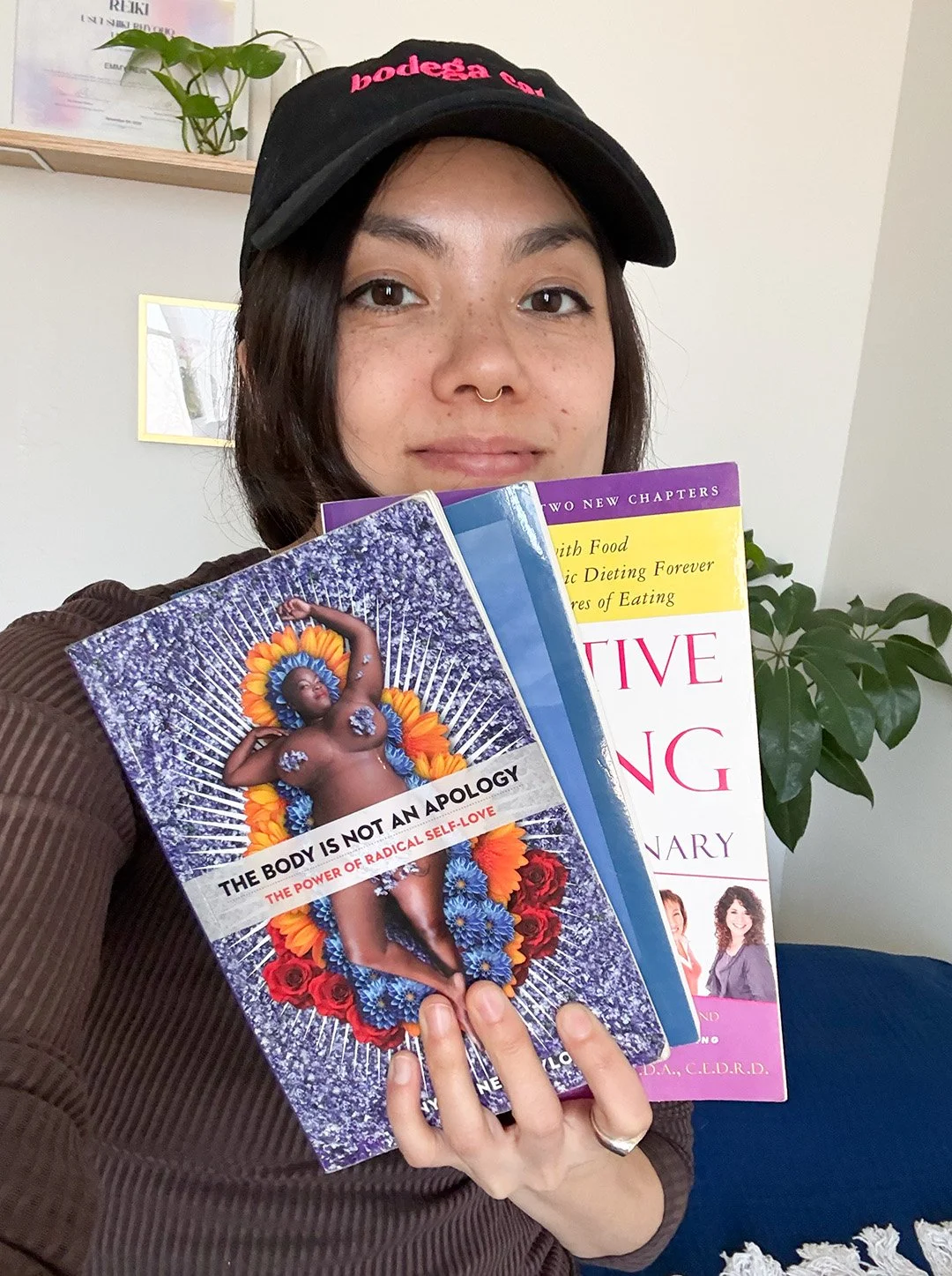
A Mind + Body + Spirit Trio
Here are three books that were instrumental in my eating disorder recovery.
I like the idea of recommending them as a trio, because together, they address body, mind, and spirit. Each offers effective ways to deprogram body shame, and provides healing reframes and practical tools to reclaim your relationship with your body and food.
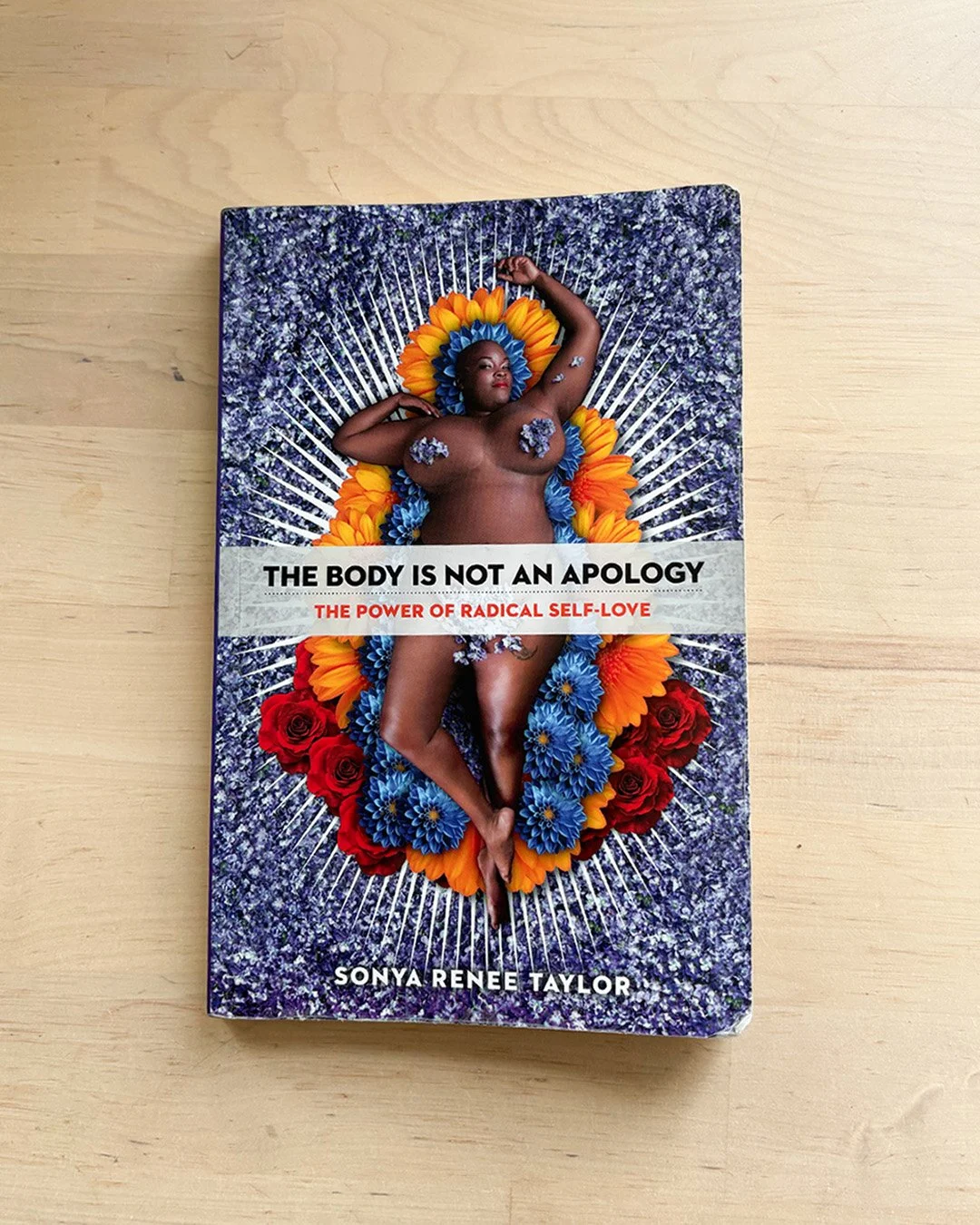
For the mind: The Body is Not an Apology
By Sonya Renee Taylor
@sonyareneetaylor
I found this book years ago while browsing a used bookstore. It practically jumped off the shelf and demanded my attention—and I'm so glad it did.
Despite having so much to offer, it's concise, reader-friendly, compassionate, and practical. It offers radical self-love as a practice to heal from and resist the systems of oppression that profit from distorting our relationships with our bodies. While it's not specifically about eating disorders, it situates them within the larger context of systemic oppression—racism, colonialism, misogyny—revealing these as root causes. Essential reading, not only for recovery work, but for anyone looking to make peace with their body.
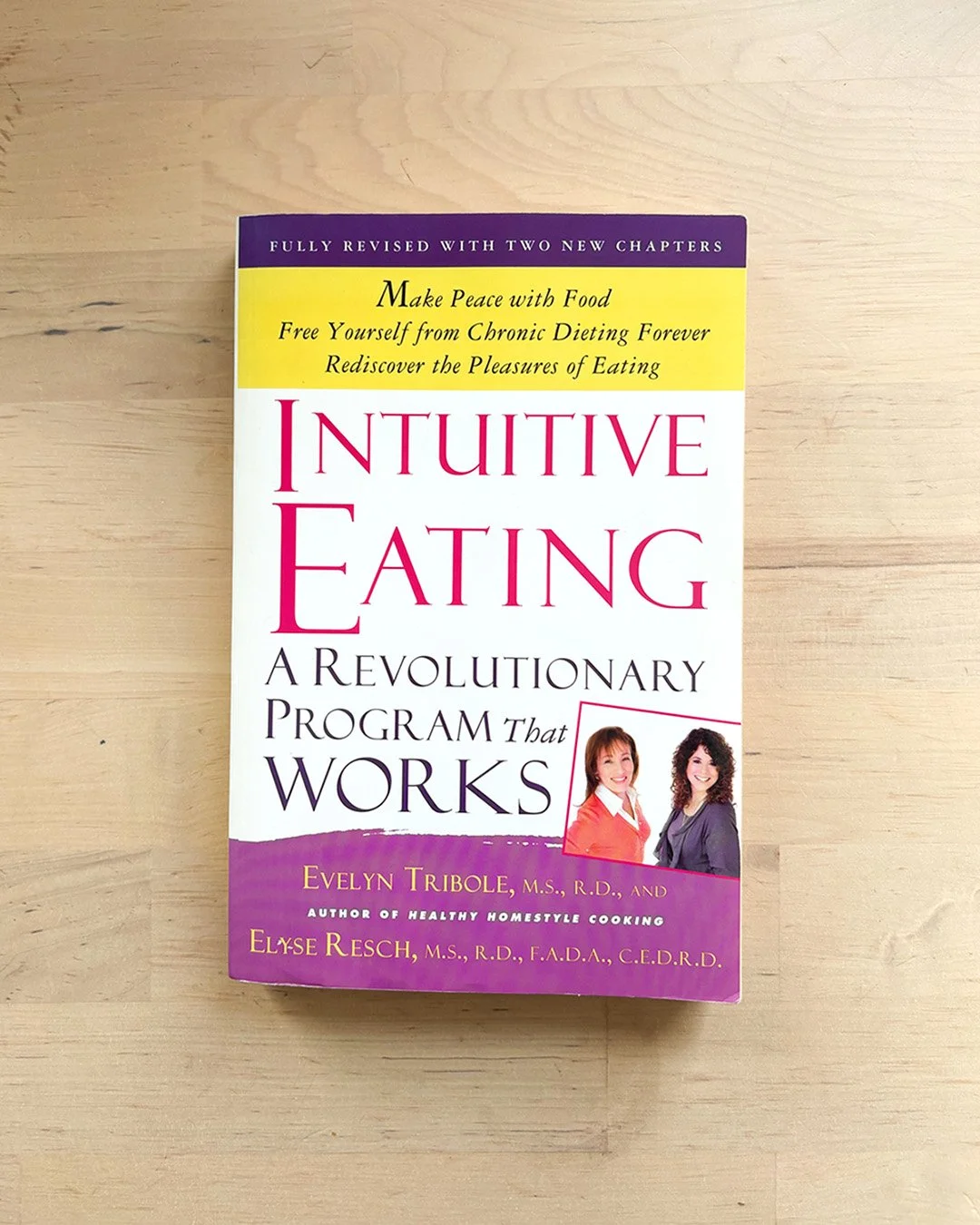
For the body: Intuitive Eating
By Evelyn Tribole and Elyse Resch
Refined version:
Originally published in 1995, this book is still just as relevant today, if not more so. A practical guide to rebuilding your relationship with food, trusting your body, and recognizing how diet culture infiltrates nearly every aspect of daily life.
When you learn to identify diet culture, you start to see just how deeply it's tied to capitalism and corporate profit. For anyone recovering from disordered eating, this awareness is essential — it helps us recenter our bodies' intuition as we rebuild our relationship with food.
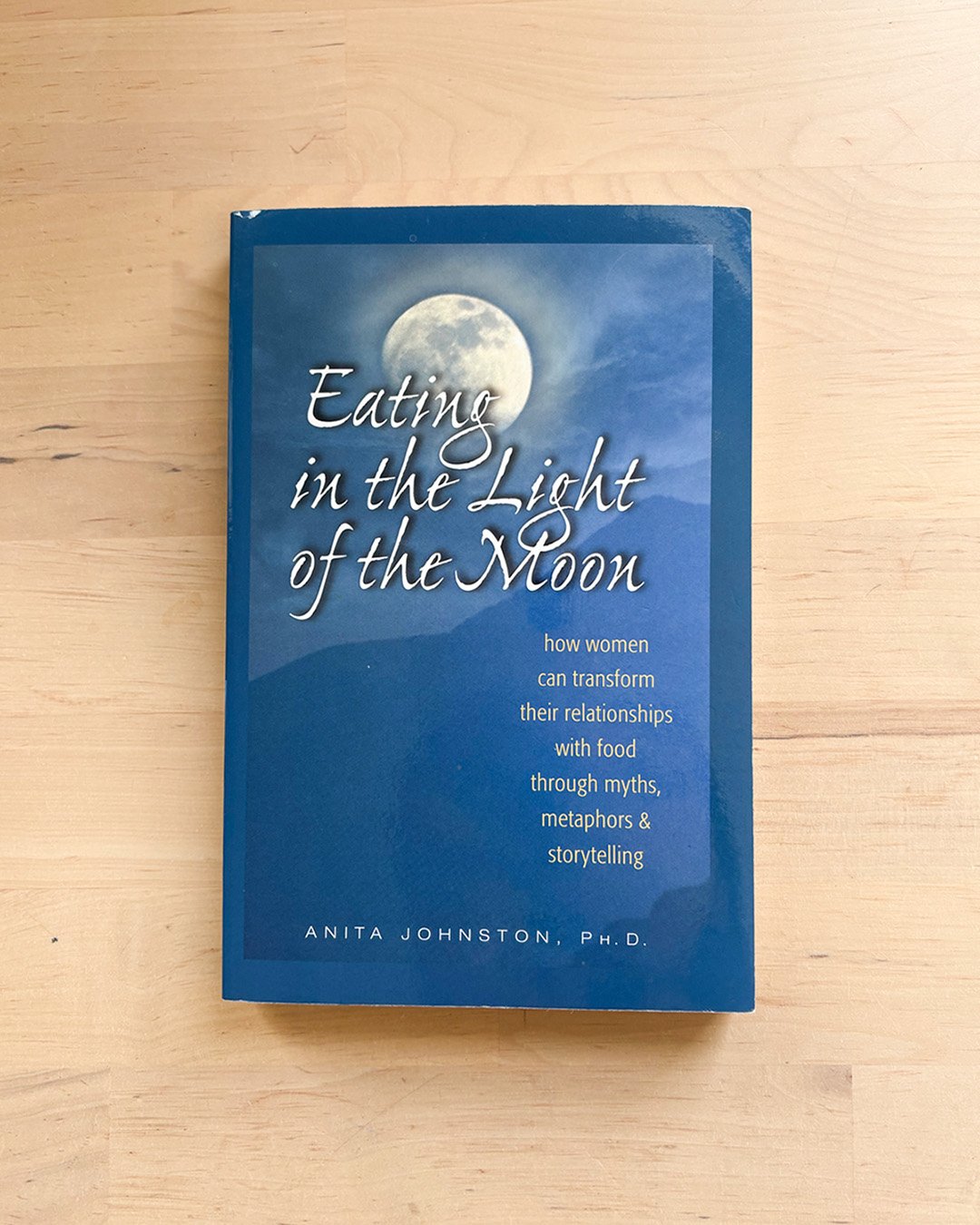
For the spirit: Eating in the Light of the Moon
By Anita Johnston
Somewhere in the back of my mind, I'd always sensed my eating disorder was rooted in old stories I'd absorbed growing up. This book found me right as I was beginning to understand how archetypal and universal those stories were. Personal narrative is powerful terrain to explore when healing from trauma patterns like eating disorders, and this book offers a creative invitation to reframe our struggles through myth and collective consciousness.
It's a refreshing counterbalance to the more clinical, information-heavy recovery work. A book that’s less about intellectualizing your experience, more about inviting curiosity and noticing what feels true.
Written by Dr. Anita Johnston, founder of Ai Pono Honolulu's Eating Disorders Intensive Outpatient Program.