
Happy Full Moon & Notes on Mugwort
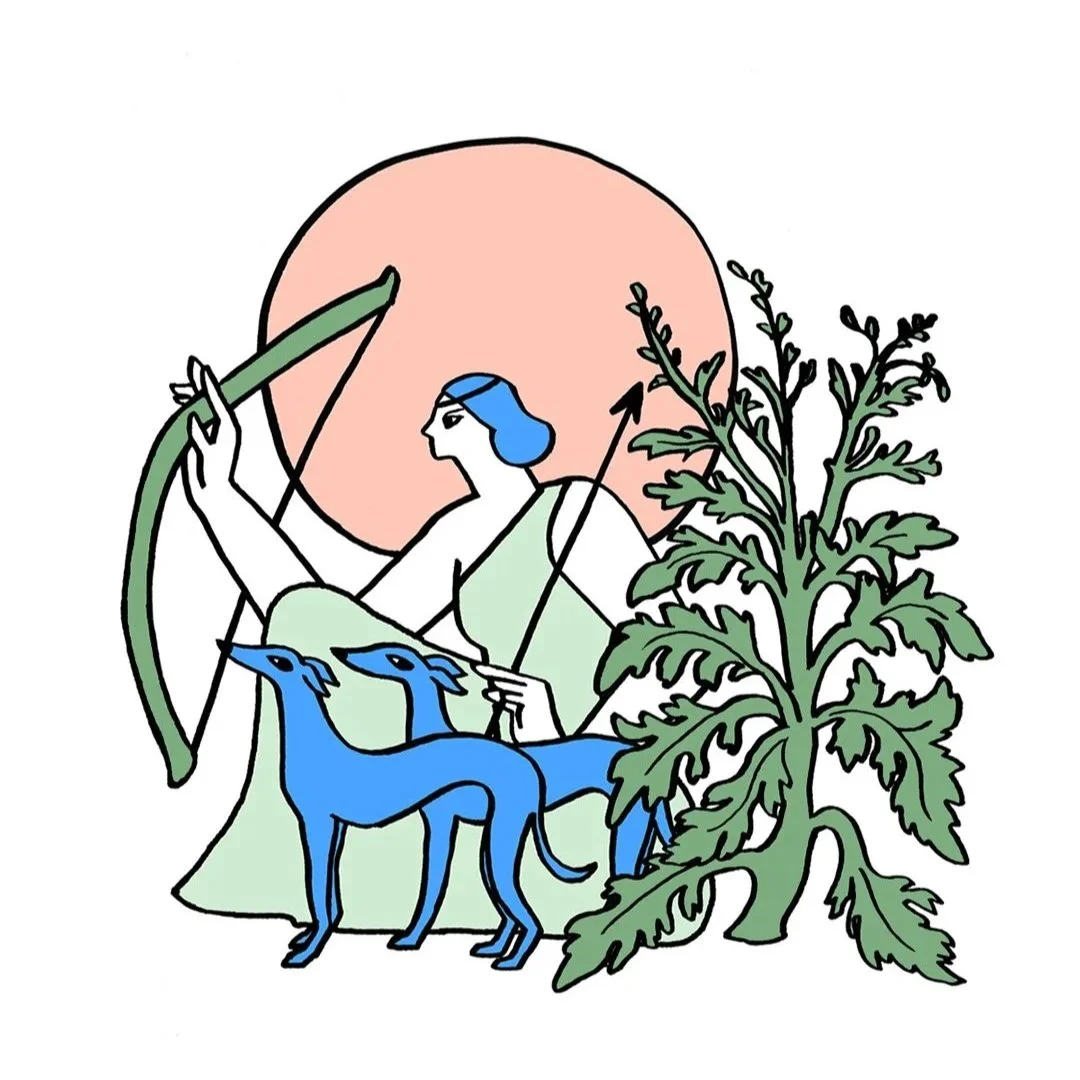
Happy Full Moon! Say hello to Mugwort 🌿
Aka yomogi (よもぎ、蓬) in Japanese, or Ai Ye (艾葉) in Chinese.
Its Latin name, Artemisia, comes from the Greek goddess Artemis, known as the goddess of the moon, childbirth, and a protector of young girls—which makes a ton of sense when we look at its medicinal properties.
Mugwort is considered a lunar herb for several reasons: its silvery leaves, its connection to dreams and intuition, and its affinity for the female reproductive system. A fitting herb to talk about on a full moon! It’s also a great herb for this time of year, when the cold from the winter is lingering in our bodies, often manifesting as stagnation, stiffness, and even pain. It’s a great herb for stagnant patterns like neck and shoulder pain, back pain, dark under-eyes, slow digestion, and menstrual cramping.
As a Pisces Moon person, I’m very drawn to this herb for its affinity for the subconscious aspects of our being.
Herbalist and author Matthew Wood writes: “It is suited to people in whom the intuitive, psychic, psychological, creative, and artistic side of the mind is highly developed, but who have trouble with expression, or with the world around them.” Herbalism is not just about working with our physical symptoms; the plants also integrate with our inner worlds—which is why I will happily nerd out about it forever.
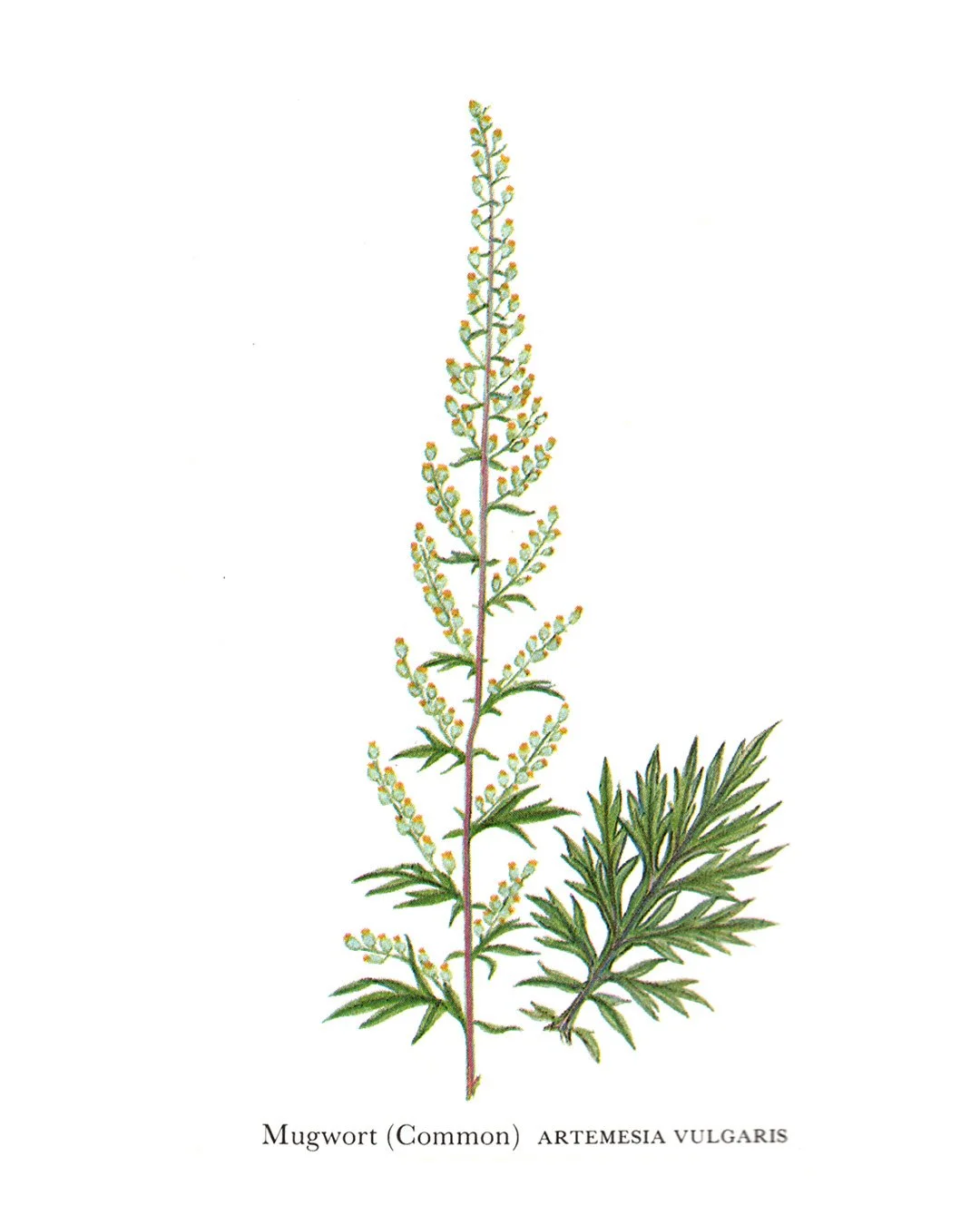
Figure 1. Michael Stringer, Mugwort. In Culpepper's Color Herbal (p. 128), 1973, Sterling Publishing Co., Inc.
A slightly different type of mugwort (Artemisia princeps) known as yomogi (よもぎ) is also a traditional remedy in Japan. Its young leaves are enjoyed in mochi in the early spring (my favorite—lucky for me it’s more commonly seen these days around New York), and as a tonic herbal bath. Full-body yomogi steams are a popular spa option for women, and perhaps because of its moving properties and ability to drive out the cold, it’s also traditionally thought to ward off negative spirits and energy.
Growing up in Japan, there was a local bath house I would go to with my best friend all the time (it was only 150 yen for kids)—and the yomogi bath was my favorite. We’d always squeeze the packed bag of yomogi soaking in the hot water so we could enjoy more of its aroma, and I remember intuitively feeling cleansed and relaxed.
I didn’t know it at the time as a 9-10 year old, but like most aromatic plants, mugwort has a warming and relaxing effect, which in terms of digestion, supports regulation (known as a carminative in herbal terms), while the bitter quality stimulates the appetite and production of bile.
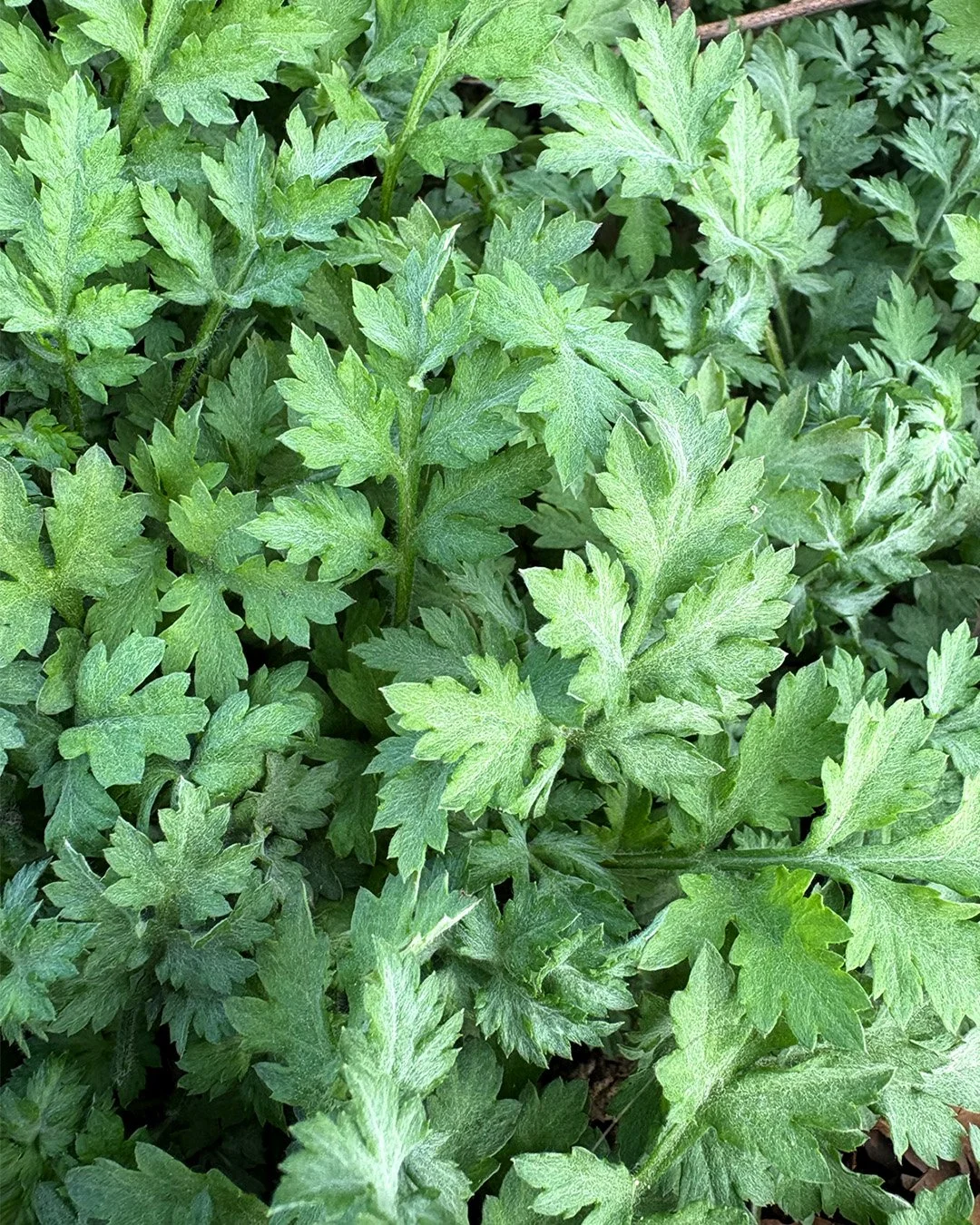
In traditional Chinese medicine, the leaves are dried and rolled into moxa sticks and used in moxibustion, where the sticks are burned directly on or above stiff or cold areas in the body to stimulate qi and blood flow and bring warmth and nourishment to the area.
Unfortunately, its ubiquitousness means it is considered an invasive plant and a weed in the U.S.—but it was brought here by European settlers, which shows how highly they valued it as medicine.
Mugwort was also the very first herb I started noticing all over the city in April 2020, as I was waiting amidst the strange isolation of the pandemic to start herb school the following September, and wondering if I was making a crazy choice. Mugwort thrives in disturbed areas, like cracks in the concrete, roadsides, empty lots, and city parks. I already knew this plant from back home in Japan, but I'd never noticed it in New York until that spring. Suddenly, it was everywhere.
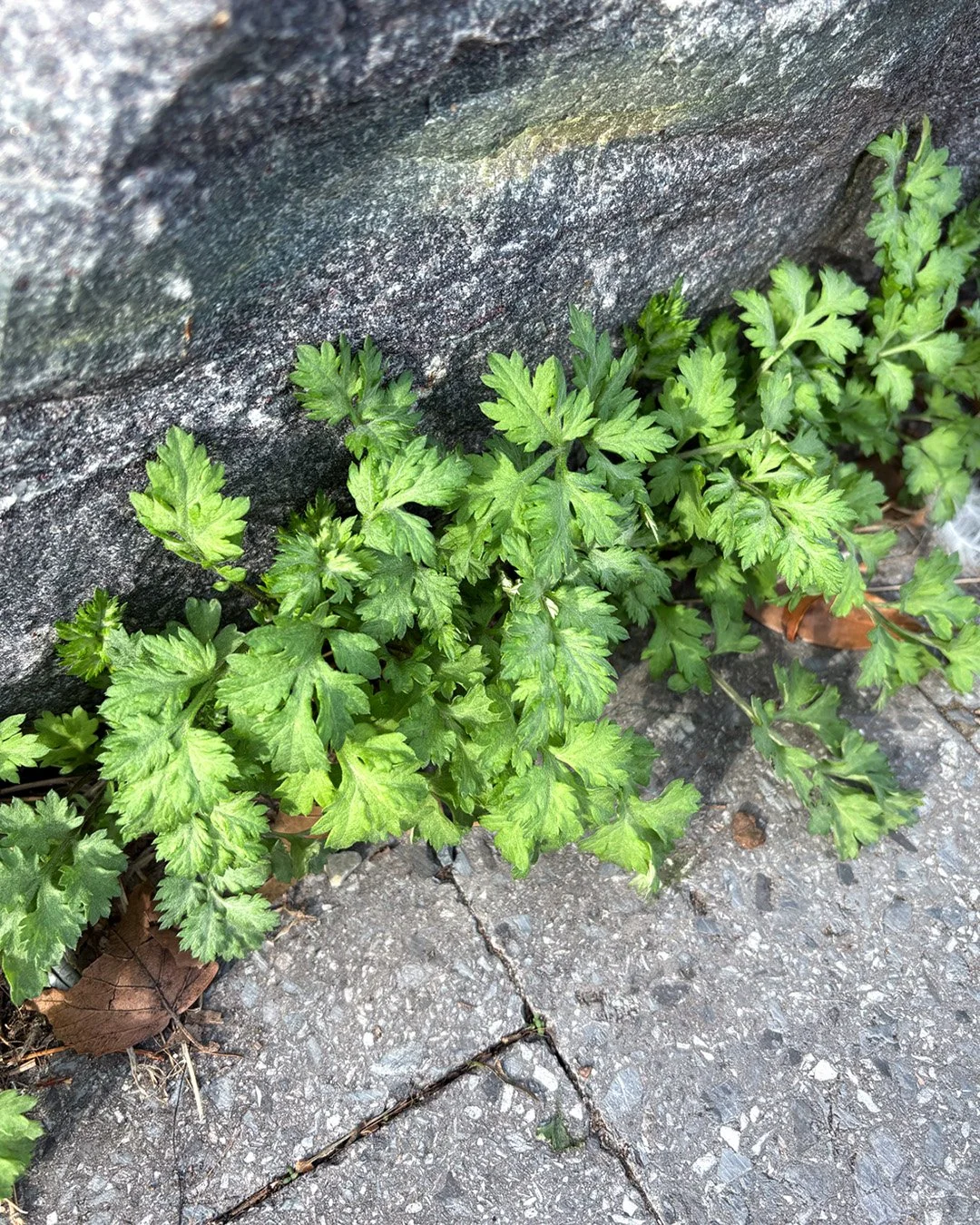
It was a chapter in time during which New Yorkers were walking a lot, and I truly felt like mugwort was following me around, as if to say, if you're this excited about noticing me, you're in for a ride. Because of that experience, I see mugwort as a bit of an initiator. Later, I learned that there's always a particular plant that shows up for you when you decide to walk a life with plants. And I’m glad mine was mugwort.
There’s so much more I could go into about this plant—but it’s popping up everywhere now, and I hope you notice it as we start to spend more time outdoors!